
Retirement and later life can offer something that was often in short supply during the working years: time to explore personal interests.
Some seniors travel, cook, paint, volunteer or return to hobbies they set aside many years ago. Others look for a new activity that is interesting without being physically demanding or excessively expensive.
Growing Phalaenopsis orchids can be an excellent choice.
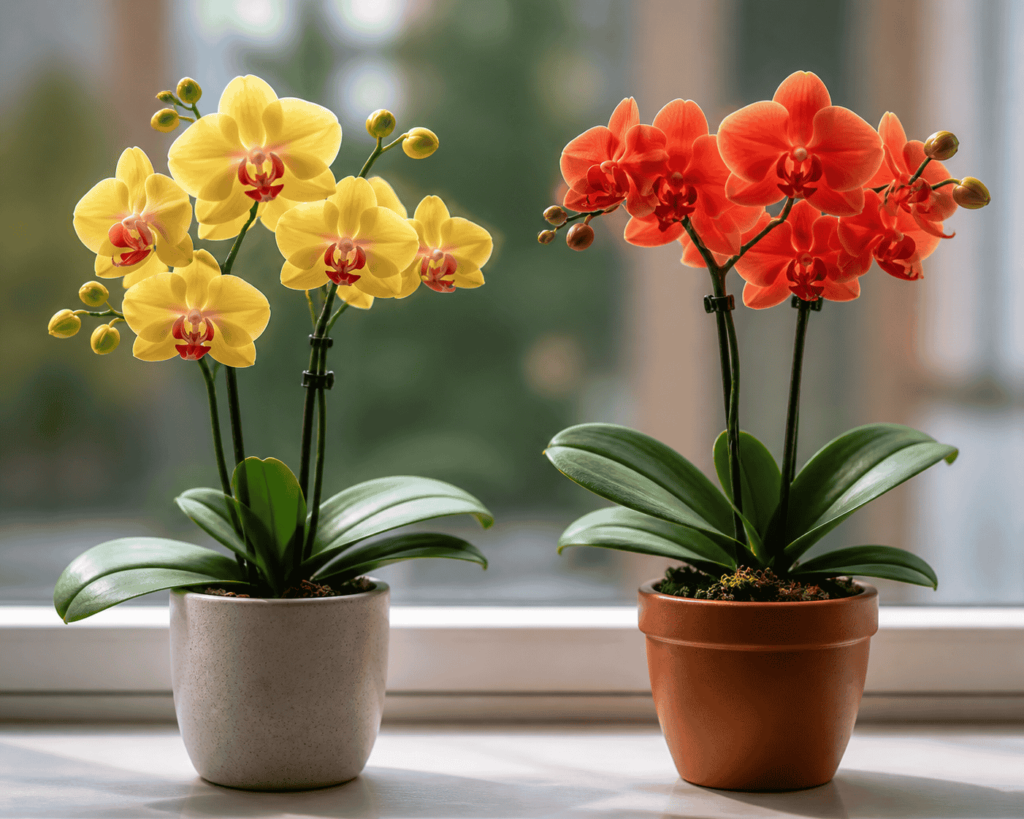
Commonly called moth orchids, Phalaenopsis orchids produce elegant flowers that may remain attractive for weeks or even months. They grow well indoors, require relatively little space and provide an enjoyable mixture of beauty, observation and practical learning.
You do not need a greenhouse, a large garden or a scientific education to begin. One healthy orchid on a bright windowsill can open the door to a satisfying long-term hobby.
Why Phalaenopsis Orchids Are Well Suited to Seniors
Phalaenopsis orchids have a reputation for being difficult, but much of that reputation comes from misunderstanding how their roots should be treated.
Once a grower understands the basics of light, water and drainage, these orchids can be easier to maintain than many people expect.
They are particularly suitable for seniors because they:
- Can be grown inside the home
- Require only a small amount of space
- Do not need daily watering
- Usually grow at a manageable pace
- Offer beautiful and long-lasting flowers
- Encourage observation and continued learning
- Can be enjoyed alone or with other growers
- Connect naturally with photography, journaling and home decoration
Orchid growing can be as simple or as detailed as the individual wants. One person may enjoy maintaining two plants on a windowsill. Another may build a collection, join an orchid society and record the flowering performance of different hybrids.
There is no required number of plants and no competition unless you choose to take part in one.
A Hobby With a Gentle Routine
Many people appreciate having a small, meaningful routine in retirement.
Phalaenopsis orchids do not require constant attention, but they benefit from regular observation. A grower might spend a few minutes each week examining the roots, checking the moisture in the pot and looking for new growth.
This gentle routine provides something positive to anticipate:
- A new root tip may appear.
- A fresh leaf may begin growing.
- A flower spike may emerge.
- The first bud may begin to open.
- A plant that was once struggling may recover.
Orchid progress is gradual. This makes each development noticeable and rewarding.
Unlike a task that must be completed quickly, orchid growing invites the grower to slow down, observe and respond thoughtfully.
Orchids Encourage Lifelong Learning
Learning does not have to end when formal education or employment ends.
Growing orchids introduces many interesting subjects in an accessible way. A beginner may start with one question: “How often should I water this plant?”
That question can lead to learning about:
- How orchid roots absorb water
- Why roots also require air
- How bark differs from sphagnum moss
- How light influences flowering
- Why temperatures affect growth
- How fertilizer salts accumulate
- What causes buds to drop
- How to identify pests and diseases
- Why some Phalaenopsis hybrids bloom more readily than others
The science does not have to be complicated. Practical observations can make each subject understandable.
For example, a clear pot allows the grower to see roots changing from green after watering to silvery as they dry. This simple color change helps explain when the orchid may need water.
Learning in this way is closely connected to a real plant and an immediate purpose. It is knowledge that can be observed, tested and applied.
Growing Orchids Does Not Require a Large Garden
Many seniors move from larger homes into apartments, condominiums or smaller houses. A reduced outdoor area does not mean that gardening must end.
Phalaenopsis orchids are particularly useful for people with limited growing space. They can be kept:
- On a bright windowsill
- On a small plant stand
- Near a window with filtered light
- Under a suitable LED grow light
- On a sheltered balcony in an appropriate climate
A small collection can fit into a corner of a room.
Clear plastic orchid pots can be placed inside attractive decorative containers, allowing the plants to become part of the home’s interior design. The inner pot provides drainage and root visibility, while the outer container improves the appearance.
Always empty water from the decorative container after watering so the orchid does not remain standing in water.
Flowers Provide a Long-Lasting Reward
Phalaenopsis orchids are valued for the length of their flowering displays.
A healthy plant may carry blooms for many weeks. Some displays can continue for several months, depending on the hybrid and growing conditions.
The flowers are available in many forms, including:
- Pure white
- Yellow
- Pink
- Purple
- Red-purple
- Spotted
- Striped
- Patterned or edged combinations
This variety allows growers to choose plants that suit their homes and personal tastes.
The waiting period also adds to the experience. Seeing a flower spike develop, watching its buds enlarge and observing the first flower open creates a sense of gradual achievement.
The flowers are not simply purchased decorations. They become the result of patient care.
A Connection With Nature Inside the Home
Not everyone can spend long periods outdoors. Weather, mobility, transport or living arrangements may make outdoor gardening less convenient than it once was.
Indoor orchid growing brings a small but fascinating part of nature into the home.
An orchid changes continuously, even when those changes are slow. Roots extend, leaves mature, buds form and older plant parts eventually decline.
Observing these natural cycles can make the home environment feel more alive.
It is important not to make exaggerated health promises. Growing orchids is not a treatment for illness and should not replace medical care, exercise or regular social contact. However, it can provide enjoyment, a pleasant routine and a continuing subject of interest.
Those benefits are valuable at any age.
Orchid Growing Can Be a Social Hobby
Growing orchids can be enjoyed privately, but it does not have to be a solitary activity.
Local orchid societies, garden clubs, botanical gardens, nurseries, shows and online groups provide opportunities to meet other growers.
Orchid conversations begin easily. Growers can discuss:
- How they care for their plants
- Which hybrids grow well in local conditions
- Where they buy potting materials
- Why a particular orchid is not flowering
- How to control a pest
- When an orchid should be repotted
- Which orchid show or nursery is worth visiting
Experienced seniors may also enjoy sharing their knowledge with new growers, family members or younger generations.
An orchid in bloom can become a natural conversation starter. A grandchild may help take photographs. A friend may receive a division or plant as a gift. A family member may help create labels or update a growing record.
The hobby can therefore connect people as well as plants.
Phalaenopsis Care in Simple Terms
The most important care principles are straightforward.
Provide bright, indirect light
Place the orchid where it receives plenty of light without intense sunlight overheating or scorching the leaves.
An east-facing window is often suitable. A shaded south- or west-facing window may also work. If natural light is limited, a suitable grow light can supplement it.
Very dark green leaves and a lack of flowering may suggest insufficient light. Pale or scorched areas may indicate that the light is too intense.
Water after checking the pot
Do not water automatically on a fixed day.
Check the potting material and roots first. In a clear pot, hydrated roots are often green, while drier roots become silvery or pale.
When the medium is approaching dryness, water thoroughly and allow the pot to drain completely.
Never leave the orchid standing in water.
Keep water out of the crown
The crown is the center of the plant where new leaves emerge. Water that remains there may encourage decay.
If water enters the crown, gently absorb it with a clean paper towel or tilt the plant to let it drain.
Use orchid potting material
Do not plant a Phalaenopsis in ordinary garden soil.
Use an airy material such as orchid bark, sphagnum moss or a prepared orchid mixture. The roots need both moisture and oxygen.
Fertilize lightly
Use an appropriate orchid or balanced fertilizer at a diluted strength, following the label directions.
More fertilizer does not automatically produce more flowers. Too much can damage the roots.
Repot when necessary
Repot when the growing medium has broken down, drainage has become poor or the roots are unhealthy.
A healthy orchid does not need repotting simply because a few roots grow outside the pot. These aerial roots are normal.
Making Orchid Care Easier and Safer
A hobby should suit the grower’s physical comfort and living conditions.
A few practical adjustments can make orchid growing easier.
Keep plants at a comfortable height
Place orchids where they can be inspected and watered without repeated bending, stretching or climbing.
Avoid high shelves that require a step stool. A stable table or waist-height plant stand is usually more convenient.
Use lightweight pots
Large ceramic containers can be heavy, particularly after watering. Clear plastic orchid pots are lightweight and make the roots easier to inspect.
If you prefer a decorative container, choose one that can be moved comfortably.
Keep the floor dry
Water orchids over a sink, basin or waterproof tray. Wipe up spills promptly to reduce the risk of slipping.
Use manageable water containers
A small watering jug may be easier to control than a large, heavy container. It also reduces the chance of spilling water into the crown.
Choose easy-to-read labels
Use large writing on plant labels. Record the plant’s name, purchase date and repotting date.
A notebook or simple printed record can be easier to maintain than relying on memory.
Ask for help with difficult tasks
There is no disadvantage in asking someone to help move a large plant, install a grow light or reach an awkward growing area.
The goal is to enjoy the hobby safely.
A Simple Weekly Orchid Check
A weekly inspection can take only a few minutes.
- Look at the roots through the pot.
- Check whether the growing medium is still moist.
- Lift the pot gently to judge its weight.
- Examine the leaves for unusual yellowing or spots.
- Check the crown for trapped water.
- Look under the leaves and around the flower spike for pests.
- Notice any new roots, leaves, buds or flowers.
- Record anything unusual.
This routine helps identify problems early and reduces the temptation to water unnecessarily.
Begin With One or Two Healthy Plants
New enthusiasm can make it tempting to buy many orchids at once. Starting slowly is usually wiser.
One or two plants allow a beginner to learn how quickly the pots dry and how the orchids respond to the available light.
When choosing a plant, look for:
- Firm leaves
- A firm, undamaged crown
- Several healthy-looking roots
- No visible insects
- A pot with drainage
- A plant that sits securely in its container
A plant with some unopened buds can provide a longer display, but transport and sudden environmental changes occasionally cause buds to fall.
Keep a newly purchased orchid apart from other plants for a period so that hidden pests or disease symptoms can be noticed before they spread.
Avoid Turning a Pleasant Hobby Into a Burden
Orchid collections can grow surprisingly quickly.
A grower sees a new color, visits an orchid show or finds a discounted plant in need of rescue. Soon, two orchids become ten, and ten become thirty.
Before adding another plant, ask:
- Do I have a suitable place for it?
- Is there enough light?
- Can I care for it comfortably?
- Will it make the collection more enjoyable?
- Does it fit my hobby budget?
- Can I keep it separate while checking for pests?
A small collection of healthy, carefully selected plants may provide more satisfaction than a crowded collection that is difficult to maintain.
There is no need to own rare or expensive orchids to be a serious hobbyist. Growing a common Phalaenopsis well is a genuine achievement.
When the Flowers Fall, the Orchid Is Still Alive
One of the most common beginner misunderstandings occurs when the last flower falls.
Flower loss is a normal stage. The plant has not necessarily died, and it should not automatically be discarded.
After flowering, the orchid may begin producing new roots and leaves. These growths help it store the energy required for its next flowering season.
If the flower spike turns completely yellow or brown, it can be cut near the base with a clean tool. If it remains green, the grower may keep it or trim it, depending on the plant’s condition and the desired flowering approach.
Continue providing suitable light and careful watering. The period between flower displays is when patient care matters most.
An Orchid Can Become Part of Your Personal Story
A plant may arrive as a birthday gift, a retirement present or a purchase made during an enjoyable outing. As the years pass, it can become connected with memories and family events.
A healthy Phalaenopsis may bloom repeatedly under good care. Each flowering becomes another chapter in the plant’s history.
Some growers photograph every bloom. Others record flowering dates or give their plants informal names. A person may eventually pass a treasured orchid to a family member who understands its story.
This personal connection is one reason plant growing can remain satisfying for many years.
It Is Never Too Late to Become an Orchid Grower
Some people hesitate to begin a new hobby because they believe they lack experience.
But every experienced orchid grower once owned a first orchid and had to learn when to water it.
You do not need to understand everything before beginning. Start with one plant, learn one skill at a time and observe how the orchid responds.
A Phalaenopsis does not demand perfection. It needs suitable conditions and consistent, thoughtful care.
For seniors looking for an indoor hobby that combines beauty, patience, science and community, growing Phalaenopsis orchids offers a rewarding possibility.
The first step can be as simple as choosing one healthy plant and giving it a suitable place near a bright window.
Continue Learning with Orchid Bloom Lab
Orchid care becomes easier when instructions explain not only what to do, but also why it matters.
Join the Orchid Bloom Lab email list to receive practical, science-based orchid care guidance and downloadable diagnostic resources. You will learn what to inspect, what the signs may mean and what to do next—without relying on guesswork.
Join the email list at https://orchidbloomlab.com
You can also subscribe to the Orchid Bloom Lab YouTube channel for clear visual guidance on watering, root health, repotting, lighting, flowering and rescuing troubled orchids.
Subscribe at https://www.youtube.com/@OrchidBloomLab
Orchid Bloom Lab™
Science-Based Orchid Flowering Tips—Grow Better. Bloom More.